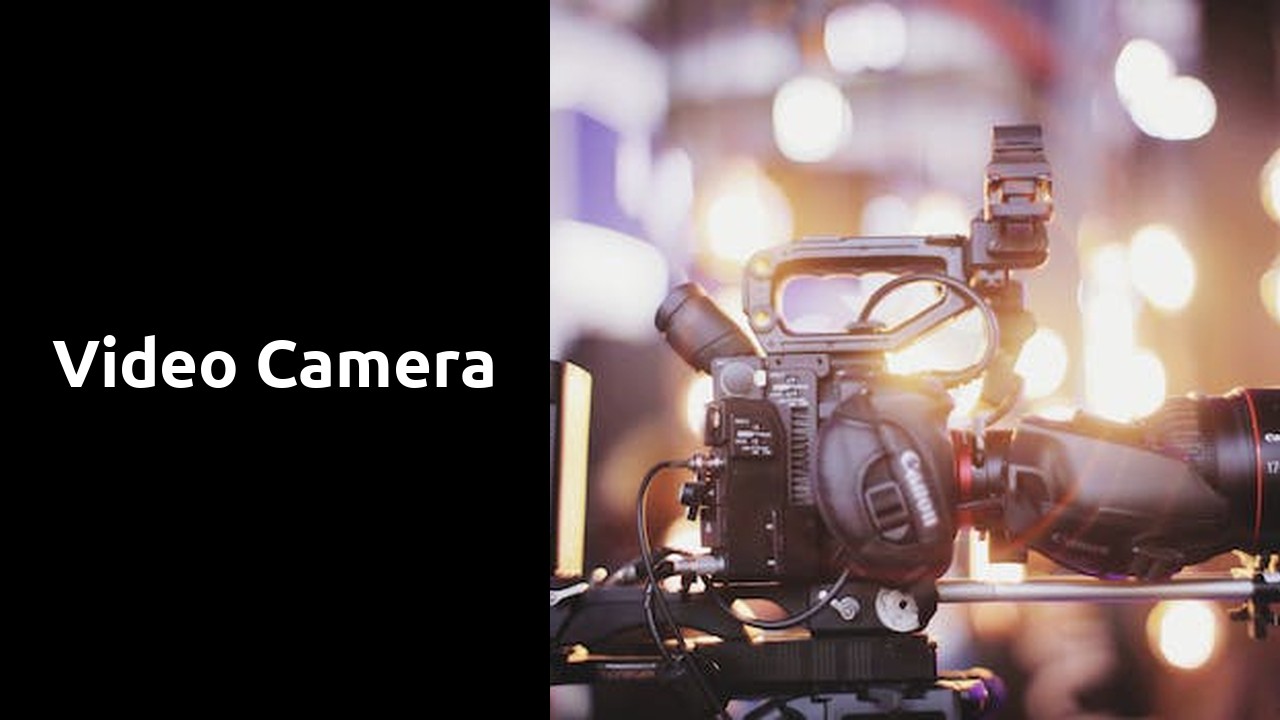
video camera
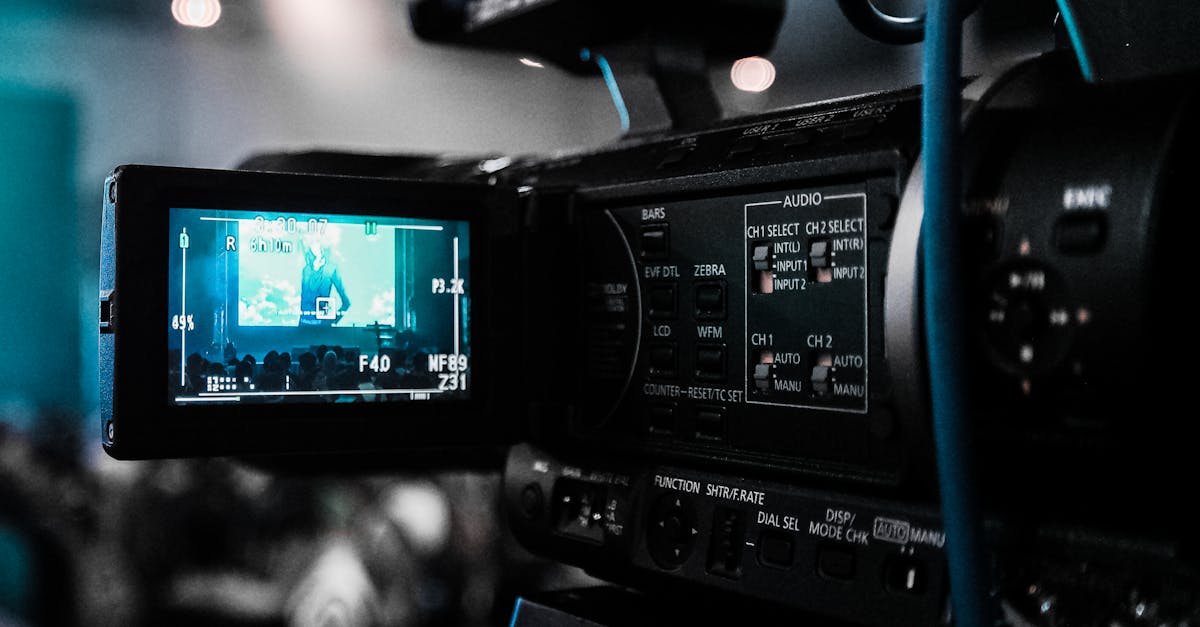 Photo by Donald Tong on pexels
Understanding the Various Uses of a Video Camera
Video cameras have become an essential tool in both private and professional settings. They have enabled us to capture important moments in our lives and share them with others. Private uses of video cameras include documenting family gatherings, recording vacations, or preserving memories of special occasions. On the other hand, video cameras also play a crucial role in professional applications such as broadcasting and live streaming. They are extensively used in the media industry to stream live events, produce television shows, and create compelling advertisements. Whether it's capturing precious family moments or leveraging video for business purposes, video cameras have truly revolutionized the way we document and share our lives.
Capturing Moments: Private and Professional Applications
Capturing moments through video cameras has become an integral part of both private and professional applications. In our everyday lives, video cameras enable us to preserve special memories of family gatherings, vacations, and personal achievements. Moreover, professionals in various fields rely on video cameras to capture important events, conduct interviews, or document scientific experiments. Additionally, video cameras have found a place in the entertainment industry, where they are used for recording movies, TV shows, and live performances.
These versatile devices not only capture moving images but also offer a range of features and functions that enhance the quality of the videos. They enable users to conveniently record and display high-resolution videos, edit and share them with ease. Furthermore, video cameras can integrate with other technologies like cloud computing services, enabling users to store and access videos remotely. Whether it's for personal or professional use, video cameras have truly become an indispensable tool for capturing and preserving moments that bring happiness and joy.
Video Cameras for Broadcasting and Live Streaming
Video cameras for broadcasting and live streaming have revolutionized the way we consume and create content. With the advancement in technology, these cameras have become smaller, more portable, and easier to use. They allow individuals and professionals to capture and share moments in real-time, whether it be a live concert, a sports event, or a breaking news story. The ability to broadcast and stream directly from these cameras has opened up new possibilities for content creators, allowing them to reach a wider audience and create immersive experiences.
One of the key features of these cameras is their ability to connect to the internet via Wi-Fi. This allows users to stream their content live to platforms such as YouTube, Facebook, and Instagram. The Wi-Fi capabilities also enable users to control the camera remotely, making it easier to capture moments from different angles and perspectives. Whether you're broadcasting a live event or streaming a vlog, these cameras provide the flexibility and convenience needed for a seamless broadcasting experience.
Exploring the Types of Video Cameras
From camcorders to vlog cameras, the options for video cameras are vast and varied. Whether you're a professional videographer or a casual vlogger, there's a video camera out there to suit your needs. Camcorders are a popular choice for capturing high-quality videos with features such as night vision, face detection, and beautification. Many vloggers opt for video camera camcorder YouTube vlogging cameras, which often come equipped with useful features like Wi-Fi connectivity, remote control, and LCD screens for easy video monitoring. Before making a purchase, it's important to consider factors like video resolution, zoom capabilities, and battery life, so reading seller reviews and doing thorough research is essential. So, whatever your specific requirements may be, there's a video camera out there waiting for you to pick it up and start recording those unforgettable moments.
From Camcorders to Vlog Cameras: A Breakdown
Camcorders have long been a popular choice for capturing memories and recording special moments. These versatile cameras come with a variety of features, including an LCD screen for easy viewing and control, and the ability to store footage on a 32GB SD card or in the camera's built-in flash memory. With options like night vision filming, camcorders allow users to continue shooting in low light conditions. From hobbyists to professionals, camcorders have been a reliable choice for those looking to document their lives or create professional-level videos.
On the other hand, vlog cameras have gained popularity in recent years, especially among content creators and influencers. These cameras are designed with features that cater specifically to vlogging, such as an adjustable LCD screen that allows users to monitor their shots while filming. Many vlog cameras also offer excellent video quality, usually at least 1080p resolution, ensuring that the footage captured is crisp and clear. With the convenience of an easily replaceable SD card, vlog cameras are the go-to choice for those looking to document their daily lives or share their experiences with the world. Whether for professional or personal use, the choice between camcorders and vlog cameras depends on the individual's needs and the specific characteristics they are looking for in a video camera.
Difference between HD and UHD Cameras
Difference between HD and UHD Cameras:
There is a significant difference in technology and video resolution between HD and UHD cameras. HD cameras, also known as high-definition cameras, capture videos and images in 1920x1080 resolution, which is suitable for television production and other professional uses. These cameras use a charge-coupled device (CCD) or complementary metal-oxide-semiconductor (CMOS) sensor to capture and process the images. HD cameras typically have various shooting modes such as manual mode, auto mode, and PTZ (pan-tilt-zoom) mode, allowing users to adapt to different filming tasks.
On the other hand, UHD cameras, also known as ultra-high-definition cameras, are designed for higher video resolutions. UHD cameras can capture videos in 3840x2160 resolution, providing incredibly detailed and clearer footage. These cameras use the latest technology to enhance image quality and have larger storage capacities to accommodate the higher amount of data generated during filming. UHD cameras are commonly used in film production, field production, and other operations that require higher quality video recording. The increased resolution of UHD cameras allows for sharper images and better viewing experiences across a range of devices, making them ideal for professional and personal purposes.
A Glimpse into the History of Video Cameras
Video cameras have come a long way since their inception, revolutionizing the way we capture and record moments. Initially, video cameras were mainly used for broadcasting and live streaming purposes. They were primarily used in television studios and other professional environments in the television industry. With the advancement of technology, video cameras have found their way into a variety of uses and applications. From camcorders used for personal recording to security cameras for surveillance and monitoring, video cameras now serve a wide range of purposes. They can be found in different situations, such as in the case of action cameras for capturing extreme sports or as a tool for archiving and analysis in various industries. The development of different types of video cameras, such as those that use optical discs, hard disks, or processing for storage, has facilitated their use in different scenarios. With the ability to connect to screens and other devices, video cameras have become an essential tool for observation and data collection. Overall, the history of video cameras showcases their evolution from broadcasting tools to versatile devices with numerous uses in both professional and personal settings.
Evolution of Video Camera Recording Media
The evolution of video camera recording media has undergone significant advancements over the years. Initially, video cameras relied on analog recording devices such as the Betacam system and videotapes. These devices used magnetic tapes to store and play back video. However, with the transition to digital technology, recording media has witnessed a revolution. Digital video cameras now utilize semiconductor image sensors to capture video. These sensors convert light into electrical signals, which are then processed and stored as digital data. This transition has allowed for better image quality, improved storage capabilities, and the use of lossy compression techniques to reduce file sizes without sacrificing video quality.
With the development of semiconductor image sensors, video camera systems have also become more versatile. These sensors not only capture video, but they can also detect heat and motion, making them suitable for applications beyond traditional video recording. Additionally, advances in recording media have made it easier to transfer video from cameras to other devices like computers and television screens. The use of ISBN and other identifiers has streamlined the process of organizing and categorizing video files, making it more convenient for users to manage their video libraries. Overall, the evolution of video camera recording media has paved the way for new possibilities in capturing and preserving moments on video.
The Development of Lens Mounts over Time
Lens mounts have undergone significant development and transformation over the years. With advancements in technology, these mounts have evolved to cater to the changing needs of camera operators. The introduction of CMOS sensors and solid-state image sensors, for example, led to the development of more efficient lens mounts that could handle the increased data and provide high-quality images. The incorporation of video compression techniques like the Discrete Cosine Transform (DCT) further enhanced the capabilities of lens mounts, enabling them to transmit data smoothly and efficiently. These advancements in lens mounts have had a profound impact on various applications, from videotelephony to CCTV operations, allowing for improved image quality and better performance in demanding environments.
One pioneer in the development of lens mounts was Ahmed Nasir, whose contributions revolutionized the field. Nasir's work focused on reducing the limitations caused by factors such as radiation and heat, which were prominent issues in early lens mounts. He developed lens mounts that were specifically designed to minimize these influences, allowing for more stable camera operation. This breakthrough not only improved the image quality but also extended the lifespan of the system. Nasir's innovations laid the foundation for modern lens mounts, with many of his ideas and concepts still being applied today. From the Nipkow system to the field-effect transistor (FET) and exclusion of external interference, lens mounts have come a long way in terms of both durability and functionality.
A Closer Look at the Market-Leading Brands
Sony, Panasonic, and Canon are among the market-leading brands when it comes to video cameras. These brands have revolutionized video capture and brought about innovations in video technology. Sony, for instance, has made significant contributions with its tape recorder, electronic news gathering (ENG) unit, and VCR technology. Panasonic has been known for its advanced pan and tilt settings, as well as exceptional exposure control systems. Canon, on the other hand, has made remarkable progress in capacitor technology and is widely used in video astronomy. These brands have played a crucial role in the development of the industry, incorporating technologies such as tube technologies, pixel sensors, CMOS, CCD, and semiconductor in their cameras. Additionally, they have also made significant advancements in lens mounts, ensuring compatibility with a wide range of lenses for diverse shooting needs.
Sony: Revolutionizing Video Capture
Sony has played a pivotal role in revolutionizing video capture throughout history. From the early days of the video camera tube developed by David Buckingham at Bell Labs to the modern digital camcorder, Sony has been at the forefront of innovation. They have constantly pushed the boundaries of technology, introducing advancements such as the development of video compression standards and the incorporation of memory storage into camcorders. Sony's contributions have not only shaped the consumer market but have also had a significant impact on professional video workflow and broadcasting systems.
Sony's impact on the field of video capture extends beyond just consumer and professional applications. They have also made significant contributions to areas such as citizen journalism and space exploration. Sony's technology has been used in capturing footage from space probes, overcoming the challenges of radiation and extreme conditions. Their commitment to pushing the limits of video capture has resulted in groundbreaking broadcasts and visuals that were once unimaginable. The company's dedication to excellence and continuous research and development has established them as one of the market leaders in video capture. Whether it's through their analog Nipkow disk or the latest digital camcorder, Sony continues to redefine the boundaries of what is possible in video capture.
Panasonic and Canon: Innovations in Video Technology
Panasonic and Canon have played significant roles in innovating video technology. In the case of Panasonic, their advancements can be traced back to the use of tape for video recording. This breakthrough set the stage for their work in creating studio-quality videos. In Canon's case, their innovations can be seen in their attempt to integrate video and photography with the introduction of phonovision. These early experiments took place in the 1960s and laid the foundation for Canon's future developments in the video industry.
Both companies have also made impressive advancements in video compression algorithms. Panasonic's DCT (Discrete Cosine Transform) and Canon's MPEG (Moving Picture Experts Group) have boosted the bandwidth and improved the resolution of videos, making them suitable for broadcast and satellite transmission. Additionally, they have incorporated video technology into various other fields, such as robotics and artificial intelligence, where Canon's night vision capabilities have been particularly noteworthy. Overall, Panasonic and Canon's constant efforts to push the boundaries of video technology have revolutionized the way we capture and view moments.
An In-Depth Review of the Ultra HD Handycam Camcorder by Canon
The Ultra HD Handycam Camcorder by Canon is a remarkable device that showcases the latest advancements in video capture technology. It is essential to understand the features and capabilities of this camera, especially when considering its application in various professional settings. The invention of the camcorder revolutionized the way we capture moments, replacing the cumbersome x-ray and iconoscope cameras with the image dissector technology. The elimination of streaking and burn-in issues allowed for a continuous video signal, ensuring a state-of-the-art video quality. Furthermore, the camcorder introduced the intermittent mechanism, enabling a distinction between individual frames, thus providing a wide range of colors and enhanced image capture. Canon, as a leading brand in the market, has integrated these innovations into the Ultra HD Handycam Camcorder, making it a reliable choice for professional videography. [Keywords: x-ray, iconoscope, image dissector, streaking, burn-in, invention, video signal, intermittent mechanism, distinction, range, color, Canon]
Features of Canon's Ultra HD Handycam: Autofocus, Video Resolution, and More
The Ultra HD Handycam by Canon is equipped with advanced features that make it a standout in the market. One of its notable features is its autofocus capability, which ensures that your videos are always sharp and in focus. Whether you're capturing fast-moving action or shooting in low-light conditions, the autofocus system adapts quickly and accurately to deliver crisp footage. In addition to autofocus, this video camera also offers impressive video resolution, allowing you to record stunningly detailed videos in Ultra HD. With four times the resolution of Full HD, your videos will have incredible clarity and lifelike colors, making every moment you capture truly unforgettable.
Aside from autofocus and video resolution, Canon's Ultra HD Handycam offers a host of other features that enhance the overall user experience. It is packed with advanced technologies and innovation to ensure that you have all the tools you need to create professional-quality videos. Whether you're just starting out in the world of videography or you're an experienced filmmaker, this camera has something to offer to everyone. From its wide range of compatible lenses, including those from other leading brands, to its user-friendly interface and intuitive controls, the Ultra HD Handycam is designed to meet the needs of video producers of all levels. So whether you're capturing memorable moments with friends and family or creating content for your media channels, Canon's Ultra HD Handycam is a top choice for high-quality video production.
Evaluating the LCD Screen Size and Optical Zoom Capabilities
When evaluating the LCD screen size and optical zoom capabilities of a video camera, there are several factors to consider. The LCD screen size determines the quality of the display and the ease of navigating through menu options. A larger screen size, such as the 3-inch display found on the NASA Olympus Farnsworth 978-3-319-14166-4, allows for clearer viewing of recorded footage and more precise adjustments to camera settings. On the other hand, the optical zoom capabilities dictate how close you can get to your subject without sacrificing image quality. Cameras like the Vladimir Zworykin Phonovision Press or the John Logie Baird TV Marsh Part offer powerful optical zoom capabilities, allowing you to capture distant objects with clarity and detail. By considering these two aspects, you can ensure that you select a video camera that meets your specific needs and provides you with the tools to bring your home truths to life.
When it comes to evaluating the LCD screen size and optical zoom capabilities of a video camera, technological advancements have played a significant role. For instance, research by Duke University has led to the development of innovative features such as multimedia data hiding and enhanced bitstreams. These advancements enable cameras like the Fang Video Camera - Recording to not only have larger LCD screens but also record and transmit high-quality footage. Additionally, the integration of optical zoom technologies has allowed for enhanced usability and versatility in capturing different perspectives. With features like those found in the Duke University-designed cameras, you can confidently explore various directions when capturing moments, from up-close details to broad panoramic views.
The Role of Video Resolution in Camera Quality
Video resolution plays a crucial role in determining the quality of a camera's output. According to Wikimedia Commons, video resolution is defined as "the number of pixels displayed horizontally and vertically on a screen." In simpler terms, it refers to the level of detail and clarity in the images or videos captured by a camera. As stated by Wiktionary, resolution can be measured in terms of the number of pixels per unit area or the total number of pixels. Higher video resolutions, such as Ultra HD (UHD) or 4K, offer sharper and more vibrant visuals compared to lower resolutions like High Definition (HD). This distinction becomes particularly significant when capturing intricate details, such as fine lines or small text. In an article by Morley M. Blouke, the author highlights the role of transistors and metal-oxide semiconductor (MOS) technology in improving video resolution. Willett, in their publication, emphasizes the importance of phototransistors in the accurate readout of video signals. It is worth noting that the video resolution of a camera is influenced by various factors, including the sensor size, lens quality, and image processing algorithms utilized by the device.
Importance of Video Resolution in Selecting a Camera
When it comes to selecting a camera, video resolution plays a crucial role in determining the overall quality of the footage. The resolution of a video refers to the number of pixels it contains, which directly affects the level of detail and clarity captured. A higher resolution results in sharper images and smoother video playback, making it essential for both professional and private applications. From recording precious family moments to producing high-quality content for broadcasting or live streaming, choosing a camera with an appropriate video resolution is paramount.
In the world of video cameras, there are various options to consider in terms of video resolution. HD (High Definition) and UHD (Ultra High Definition) cameras are the most common choices available today. HD cameras typically capture videos at a resolution of 1920x1080 pixels, providing excellent clarity for most applications. However, with the electronics revolution and advancements in sensor technology, UHD cameras have emerged, capable of recording videos at an impressive resolution of 3840x2160 pixels. This higher resolution significantly enhances the level of detail displayed and offers a more immersive viewing experience for the audience. Whether it's capturing breathtaking landscapes or intricate scenes, the increase in resolution provided by UHD cameras has revolutionized the world of videography.
Comparing the Video Resolution of HD and UHD Cameras
When it comes to comparing the video resolution of HD and UHD cameras, there are some key differences to consider. HD cameras, or high definition cameras, typically offer a resolution of 1920x1080 pixels, which results in clear and sharp footage. On the other hand, UHD cameras, or ultra high definition cameras, take video resolution to the next level with a resolution of 3840x2160 pixels. This means that UHD cameras have four times the number of pixels as HD cameras, resulting in incredibly detailed and lifelike video footage. With UHD cameras, videographers can capture every tiny detail, from individual blades of grass to the smallest facial expressions.
When comparing the video resolution of HD and UHD cameras, it's worth noting that UHD cameras may require more powerful processing and storage capabilities to handle the higher resolution footage. Additionally, UHD cameras often come with a higher price tag due to their advanced technology. However, thanks to advancements in technology, UHD cameras are becoming more accessible to consumers, with a wider range of models and price points available. Whether you're a professional videographer or simply looking to capture high-quality memories, the increased resolution offered by UHD cameras can elevate your video content to a whole new level.
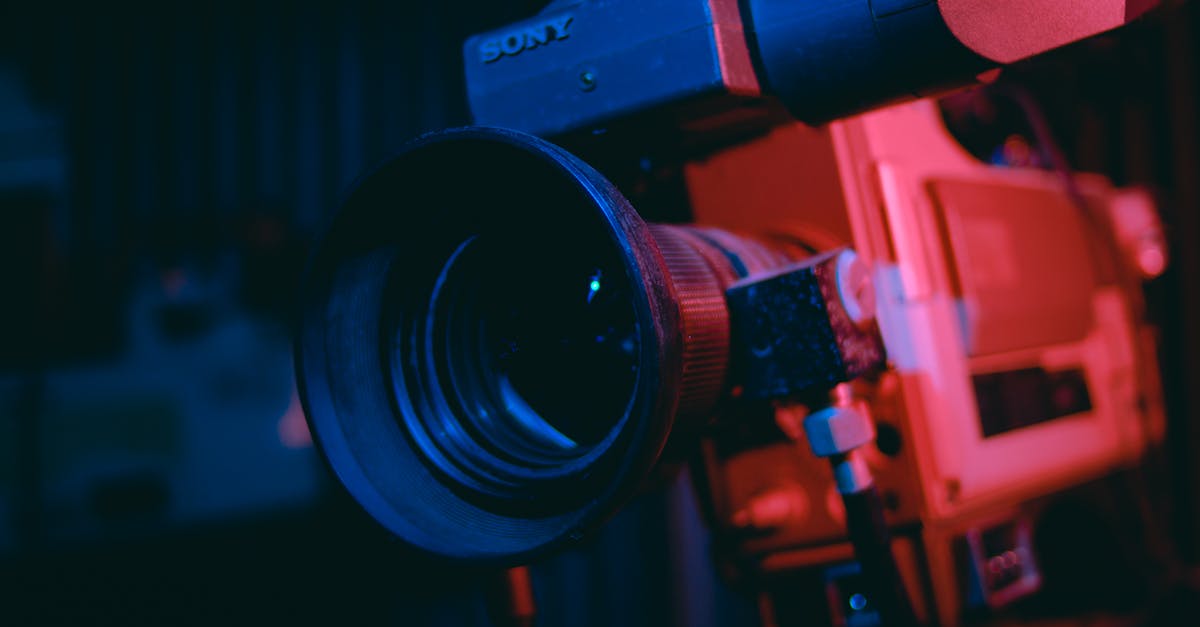 Photo by Abet Llacer on pexels
Conclusion
In conclusion, understanding the various uses of a video camera opens up a world of possibilities for capturing both private and professional moments. From capturing personal memories to broadcasting and live streaming events, video cameras have become an essential tool in today's digital age. With advancements in technology, there are different types of video cameras available, ranging from camcorders to vlog cameras, each with its own unique features and functions. Video resolution plays a vital role in determining the overall quality of a camera, making it crucial to select a camera with the appropriate resolution for one's needs. Market-leading brands like Sony, Panasonic, and Canon have revolutionized video capture, with their innovations shaping the way we record and share videos. The Ultra HD Handycam Camcorder by Canon is a prime example of cutting-edge video camera technology, offering features such as autofocus and high video resolution. By evaluating features like LCD screen size and optical zoom capabilities, users can make an informed decision when choosing a camera. In conclusion, the world of video cameras continues to evolve, providing users with endless possibilities to capture and share their most precious moments.
FAQ
What is a video camera?
A video camera is a device used to capture and record moving images and sound.
What are the various uses of a video camera?
Video cameras have a wide range of uses, including personal recording, professional filmmaking, broadcasting, live streaming, vlogging, and more.
What is the difference between HD and UHD cameras?
HD cameras capture video in high definition, while UHD cameras capture video in ultra-high definition, offering a higher resolution and more detail.
Can you provide a brief history of video cameras?
Video cameras have evolved significantly over time, starting from analog devices to the digital cameras we use today. They have become smaller, more advanced, and capable of recording in higher resolutions.
What are the leading brands in the video camera market?
Sony, Panasonic, and Canon are some of the market-leading brands known for their innovations in video camera technology.
What features should I consider when selecting a video camera?
Some important features to consider include autofocus capabilities, video resolution, LCD screen size, optical zoom capabilities, and more.
How does video resolution impact camera quality?
Video resolution directly affects the clarity and sharpness of the recorded video. Higher resolution cameras provide more detailed and lifelike footage.
Which is better, HD or UHD video resolution?
UHD (ultra-high definition) offers a higher resolution and more detail compared to HD (high definition). However, the choice depends on individual needs and preferences.
What is the role of autofocus in a video camera?
Autofocus is a feature that automatically adjusts the focus of the camera lens to keep the subject in sharp focus. It is particularly useful for capturing fast-moving subjects or when shooting in different lighting conditions.
How does the LCD screen size affect the user experience?
A larger LCD screen provides a better viewing experience while recording or reviewing footage. It allows for easier framing of shots and better visibility of details.
What is optical zoom and why is it important?
Optical zoom refers to the camera's ability to zoom in on a subject without losing image quality. It is important for capturing distant subjects or getting closer to the action without physically moving.
How to choose the right video camera for my needs?
To choose the right video camera, consider factors such as your intended use, budget, required features, video resolution preferences, and any specific brand preferences.
What is the significance of video cameras in broadcasting and live streaming?
Video cameras play a crucial role in broadcasting and live streaming by capturing high-quality footage that can be shared in real-time with a wide audience.
What are some key features of Canon's Ultra HD Handycam camcorder?
Canon's Ultra HD Handycam camcorder boasts features like autofocus capabilities, high-resolution video recording, image stabilization, built-in Wi-Fi connectivity, and more.
Why is video resolution important when selecting a camera?
Video resolution determines the level of detail and sharpness in the recorded footage. Higher resolution cameras provide clearer and more vibrant visuals.
Can you compare the video resolution of HD and UHD cameras?
HD cameras typically offer a resolution of 1920x1080 pixels, while UHD cameras provide a resolution of 3840x2160 pixels or higher. UHD cameras offer four times the resolution of HD cameras, resulting in much sharper and more detailed video.