Do camcorders still exist?
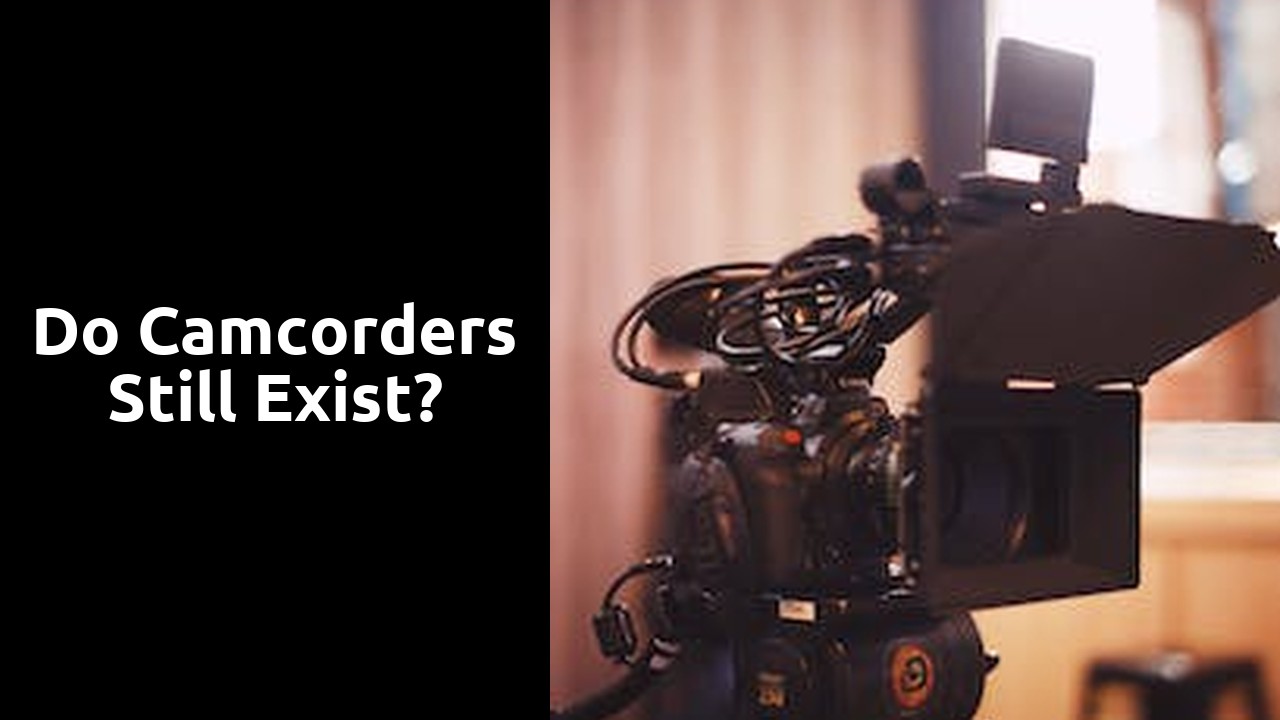
The Evolution of Video Recording Devices
Video camera devices have come a long way since their inception. From bulky, camera-like contraptions that required physical film, to compact digital camcorders that could record hours of footage, the evolution of these devices has been remarkable. The advancements in technology have not only made video recording more accessible and convenient, but they have also significantly improved the quality of videos captured. Gone are the days when videos were grainy and lacked clarity; today's video recording devices are capable of capturing high-definition footage, allowing users to relive their memories with stunning visual detail.
One of the most significant milestones in the evolution of video recording devices has been the integration of smartphones as cameras. With the rise of smartphones, individuals no longer need to carry around a separate device for capturing videos. The convenience of having a high-quality camera in their pockets has revolutionized the way people document their lives. Whether it's capturing precious moments with loved ones or recording important events, smartphones have become the go-to choice for many individuals. The accessibility and ease of use offered by smartphones have allowed people to become instant videographers, sharing their creations with the world at the touch of a button.
The Rise of Smartphones as Video Cameras
The rise of smartphones as video cameras has revolutionized the way people capture and share moments. With the advancements in smartphone technology, video recording has become easily accessible to the masses. Today, almost everyone owns a smartphone with a built-in high-resolution camera capable of capturing stunning videos.
One of the key factors contributing to the popularity of smartphones as video cameras is convenience. Unlike traditional video cameras or camcorders, which are bulky and require separate storage, smartphones are portable and always within reach. This means that people can capture important or spontaneous moments at any time, making it incredibly convenient for recording and sharing videos instantly. Additionally, smartphones offer a wide range of editing and sharing capabilities, allowing users to enhance their videos and easily share them on social media platforms. The combination of convenience and technological capabilities has propelled smartphones to the forefront of video recording devices, making them a popular choice for amateur videographers and content creators alike.
Professional Video Cameras vs Consumer Camcorders
Historically, professional video cameras have been the go-to choice for filmmakers, broadcasters, and those looking to capture high-quality video footage. These cameras are designed with advanced features and functionalities that cater to the specific needs of professionals in the industry. They often come equipped with larger sensors, interchangeable lenses, and manual controls, allowing for more creative control over the final product. Additionally, professional video cameras typically offer better low-light performance, higher frame rates, and improved overall image quality.
On the other hand, consumer camcorders are designed for everyday users who want to capture memorable moments without the need for complex settings and technical expertise. These devices are generally compact, portable, and easy to use, making them ideal for family vacations, parties, and other casual settings. Consumer camcorders come with built-in lenses, automatic settings, and user-friendly interfaces, allowing users to quickly start recording and capturing their experiences. While they may not offer the same level of professional-grade features and image quality as their counterparts, consumer camcorders provide a convenient and affordable option for those looking to document their personal moments.
The Decline of Dedicated Camcorders
In recent years, there has been a noticeable decline in the use of dedicated camcorders. While these devices were once prized for their superior video quality and specialized features, they have struggled to compete with the rise of smartphone cameras. With smartphones becoming increasingly powerful and capable of capturing high-quality video, consumers are opting for the convenience of having a versatile all-in-one device that can both record video and serve a multitude of other purposes.
One of the main reasons for the decline of dedicated camcorders is the ease of use and accessibility provided by smartphones. With the advent of user-friendly interfaces and improved camera technology, smartphones have democratized video recording, allowing anyone to capture and share videos with just a few taps on their screen. Additionally, the ubiquity of smartphones means that most people always have a video recording device on hand, eliminating the need to carry around a separate camcorder.
The Impact of Action Cameras on the Camcorder Market
The rise of action cameras has had a significant impact on the camcorder market in recent years. With their compact size, rugged build, and capability to capture high-quality, immersive footage, action cameras have become increasingly popular among adventure enthusiasts and content creators. This surge in demand for action cameras has resulted in a decline in sales for traditional camcorders, as consumers now have a versatile alternative that meets their needs for capturing action-packed moments.
One of the key advantages that action cameras offer over camcorders is their ability to easily mount onto various surfaces and equipment. This feature allows users to capture dynamic footage from unique angles, whether it be attached to a helmet, bike handlebars, or even a drone. The versatility of action cameras has made them particularly appealing to outdoor enthusiasts who want to document their adventures and share their experiences with others. Additionally, the compact size and lightweight nature of action cameras make them convenient to carry on journeys, further increasing their appeal to travelers and explorers. As a result, camcorders, which were once the go-to devices for video recording, have faced tough competition from these smaller, more portable action cameras.
Camcorders in the Digital Age: Challenges and Opportunities
In today's digital age, camcorders face several challenges and opportunities. One challenge is the increasing competition from other portable devices that have video recording capabilities. Smartphones, in particular, have risen in popularity as video cameras, offering convenience and versatility to users. With high-quality cameras and numerous video editing apps available, many people choose to capture and edit videos directly on their smartphones rather than investing in a separate camcorder. This poses a challenge for camcorder manufacturers, as they must find ways to prove the superiority and value of dedicated camcorders over smartphones in terms of video quality and functionality.
Another challenge for camcorders is the emergence of action cameras. With their compact size, rugged designs, and ability to capture footage in extreme conditions, action cameras have gained popularity among outdoor enthusiasts, sports enthusiasts, and adventure seekers. They offer a unique perspective and immersive experience, allowing users to record their adrenaline-filled moments with ease. This poses a threat to the camcorder market, as consumers who were once interested in purchasing a camcorder may now opt for an action camera instead, given its portability and specialized features. However, this also presents an opportunity for camcorder manufacturers to adapt and innovate, by incorporating features such as rugged designs and waterproof capabilities into their products, to compete with the growing demand for action cameras.
FAQ
Do camcorders still exist?
Yes, camcorders still exist, although their popularity has declined in recent years.
What is the evolution of video recording devices?
Video recording devices have evolved from bulky camcorders to compact smartphones and action cameras.
How have smartphones affected the camcorder market?
Smartphones have become the primary video recording devices for most consumers due to their convenience and improved camera capabilities.
Are professional video cameras still in use?
Yes, professional video cameras are still widely used in the film and television industry, as they offer superior image quality and advanced features.
How do consumer camcorders differ from professional video cameras?
Consumer camcorders are designed for general consumers and offer simpler functionality and lower image quality compared to professional video cameras.
What has caused the decline in dedicated camcorders?
The rise of smartphones and action cameras, which offer similar video recording capabilities, has led to a decline in the demand for dedicated camcorders.
What impact have action cameras had on the camcorder market?
Action cameras, with their compact size and durability, have gained popularity among adventure enthusiasts, leading to further competition for dedicated camcorders.
What are the challenges and opportunities for camcorders in the digital age?
Camcorders face the challenge of adapting to changing consumer preferences and technological advancements, but they still have opportunities in niche markets and professional videography.
Are there any advantages to using a camcorder over a smartphone for video recording?
Camcorders still offer advantages such as superior optical zoom, better stabilization, and longer battery life compared to most smartphones.
What are the future prospects for camcorders?
While the market for dedicated camcorders may continue to decline, there will still be a demand for specialized video recording devices in certain industries and for professional use.